

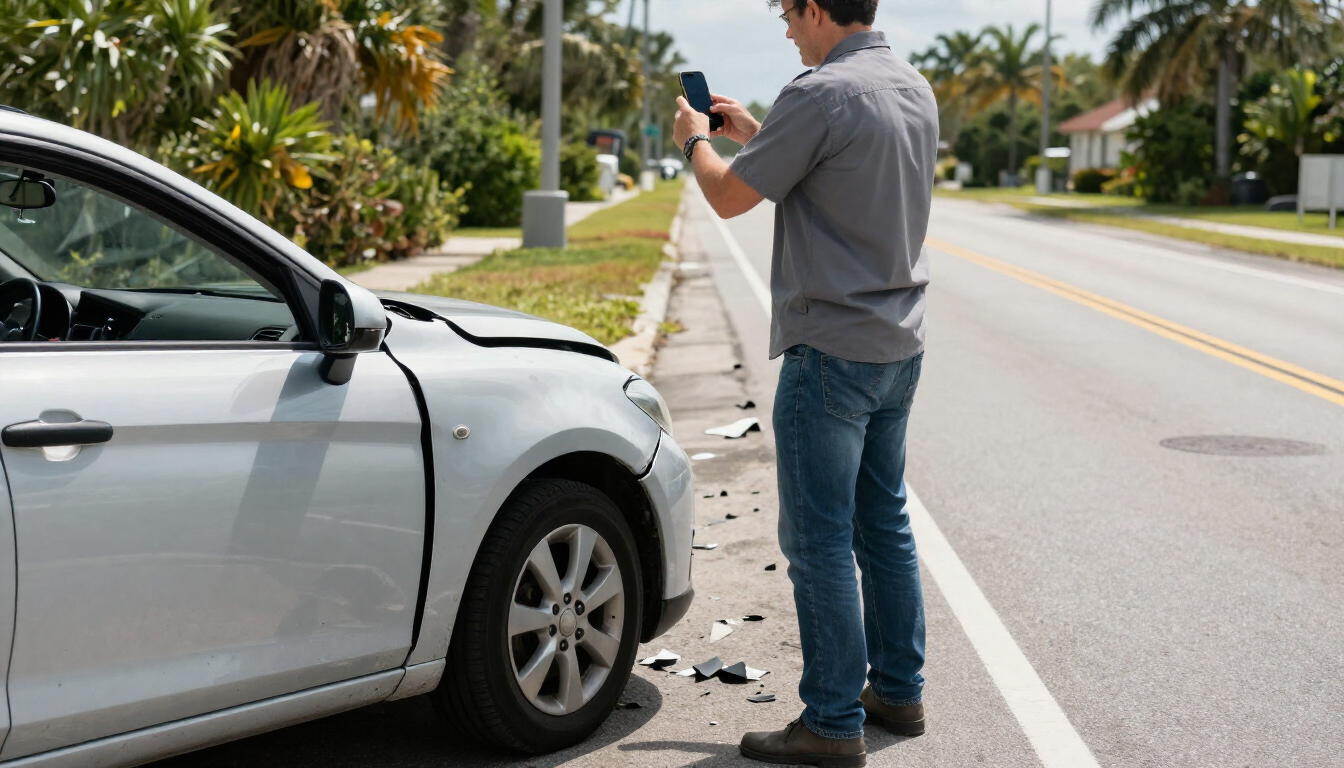
Notify your insurer promptly as required by your policy, but limit your statement to basic facts. Provide the date, location, vehicles involved, and known injuries. Do not speculate about fault or describe an injury as “fine” simply because symptoms have not fully appeared.
Insurance adjusters may ask for a recorded statement, medical authorization, social media information, or a quick settlement. You do not have to sign documents or accept an offer before understanding your rights. A settlement may release claims for future treatment and additional losses.
Do not post photos, videos, accusations, or injury updates online. Insurers may use social media posts out of context.
7. When should you speak with a Florida car accident lawyer?
Consider a confidential consultation when:
- You suffered significant, lasting, or worsening injuries.
- A death occurred or someone was hospitalized.
- The other driver was uninsured, underinsured, distracted, impaired, or driving for a company.
- Fault is disputed or multiple vehicles were involved.
- The insurer denied your claim or offered a settlement that does not cover your losses.
- You are facing substantial medical bills, lost income, or long-term care needs.
A lawyer can investigate the collision, preserve evidence, communicate with insurers, identify all available coverage, and evaluate deadlines. Florida’s statute of limitations can restrict how long you have to file a lawsuit, and the deadline may vary based on the facts and parties involved. Do not wait until the deadline is near.
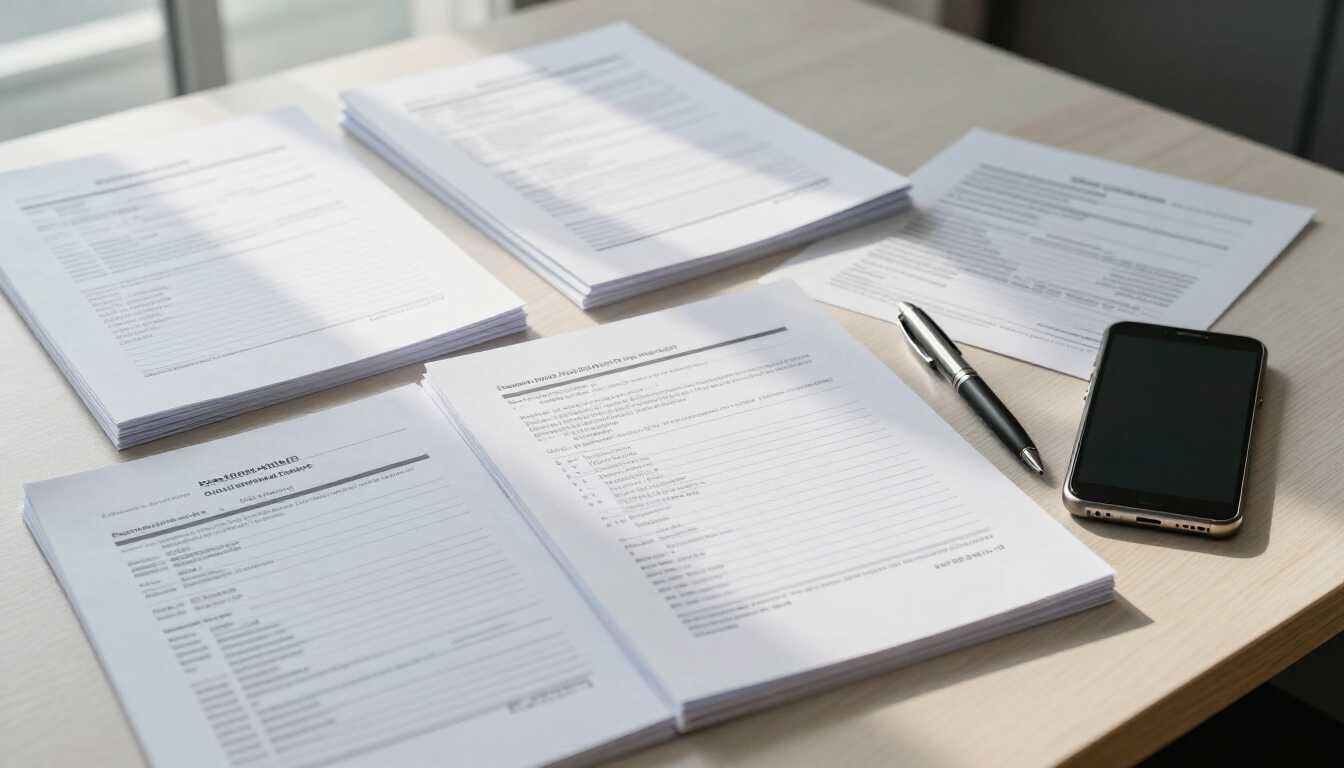
Evidence checklist
Save these materials in one place:
- Police report and insurance correspondence
- Scene photographs, videos, and witness information
- Medical records, bills, prescriptions, and appointment notes
- Pay stubs or other proof of lost income
- Repair estimates, towing bills, and rental-car records
Keep a daily symptom and recovery journal. Note pain levels, sleep problems, limitations, treatment, and activities you cannot perform. Accurate notes can help explain how the accident affects daily life.
Florida car accident FAQ
Do I have to report a minor crash in Florida?
You should call law enforcement when a crash involves injury, death, or apparent property damage of at least $500. Reporting is also wise when fault, injuries, or damage are disputed. A report can preserve important details that may otherwise disappear.
Can I recover money if I was partly at fault?
Possibly. Florida uses modified comparative negligence. Your recovery may be reduced by your percentage of responsibility, and recovery can be barred if your share of fault is greater than 50 percent. The evidence and facts of each crash matter.
What if the other driver has no insurance?
Your own uninsured or underinsured motorist coverage may help, depending on your policy. PIP may also apply to eligible medical expenses and lost income. Do not assume you have no options before reviewing your policy with a professional.
What if the accident involved a truck or rideshare vehicle?
Different insurance policies and liability rules may apply. Commercial carriers, trucking companies, rideshare platforms, and multiple drivers can create additional layers of investigation. See our pages on Truck Accidents and Uber & Lyft Accidents for related information.
Your next steps
Knowing what to do after a car accident in Florida can protect your health, evidence, and potential recovery. First, get safe and call 911. Next, document the scene, exchange information, obtain prompt medical care, and notify your insurer without speculating about fault. Preserve every record and avoid signing a settlement before you understand the full impact of your injuries. If the crash caused serious harm, disputed liability, or financial losses, request a confidential case review. You can contact our firm or learn more about our service area in Coral Springs and throughout South Florida.
This article provides general information, not legal advice. Every accident is different. For advice about your situation, consult a Florida personal injury attorney.